
Understanding the Weight of Momentum in Puzzle Design
A breakdown of how physics-based movement can itself become the puzzle, using examples from underappreciated platformers of the last decade.
Deep dives into the mechanical twists, hidden logic, and design decisions that separate a good puzzle platformer from a genuinely clever one.
Browse ArchiveRecent entries added to the catalogue, picked for their mechanical originality
How a simple grab-and-drop mechanic turned every level into a self-contained logic puzzle, and why the sequel never quite matched it.
A look at how pulling blocks in and out reframed 3D navigation as a spatial reasoning exercise disguised as a children's game.
Ten years on, we re-examine how rewind-as-mechanic shaped an entire subgenre of temporal puzzle platformers that followed.
Rotating the world instead of the character created a perspective puzzle that still confuses first-time players in the best way.
Tracking how platformers borrowed portal mechanics without becoming Portal clones, and where each design choice diverges.
An entry on the title that turned grammar itself into a movable puzzle piece, and why cataloguing its logic required a new framework.
Questions we get often from fellow puzzle-platformer devotees
We look for a genuinely original mechanical hook, not just a puzzle platformer with a fresh coat of paint. If a game's core mechanic teaches players a new way of thinking, it earns an entry.
Yes. We welcome pitches from fellow enthusiasts, especially deep mechanical breakdowns of lesser-known titles. Reach out with a short outline before drafting the full piece.
New entries and mechanic breakdowns go up roughly twice a week, with longer retrospective essays published on a monthly cadence.
Indie titles are actually where we spend most of our attention. Many of the most interesting mechanical twists come from small teams experimenting outside the mainstream.
No. Zambra Logic Gaming is an independent, fan-run editorial project based in Luxor, Egypt, with no publisher sponsorship influencing our coverage.
Newly published essays and mechanic breakdowns
A breakdown of how physics-based movement can itself become the puzzle, using examples from underappreciated platformers of the last decade.

An examination of a sequel that stripped away its predecessor's core verb entirely, and what that decision demanded of level design.

Notes from an ongoing project mapping every notable variation on the pushable-block puzzle, from arcade cabinets to modern consoles.
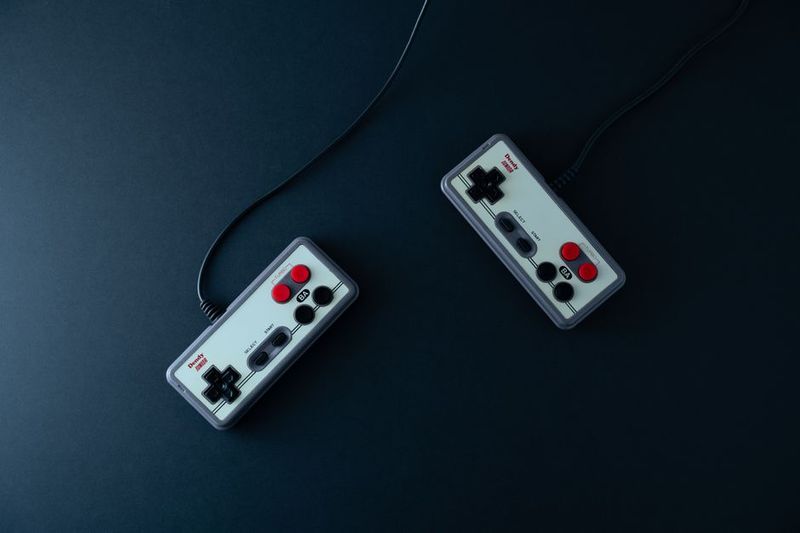
Why the best puzzle platformers telegraph their mechanics visually, and how to spot design intent before touching the controls.

Early impressions of a small-team project that treats gravity direction as a resource to be spent, not a constant to be fought.
Why fellow enthusiasts keep coming back to Zambra Logic Gaming
Every entry starts with the mechanic itself, not the marketing pitch, so readers understand exactly what makes a title stand out.
We skip filler and focus on games with genuinely original puzzle logic, keeping the catalogue meaningful rather than exhaustive.
Written by dedicated puzzle platformer players in Luxor, Egypt, with no publisher influence shaping what gets covered or how.
From early handheld puzzle titles to recent indie darlings, entries span decades so patterns in mechanical design become visible.
Browse the full catalogue and find the puzzle platformer whose twist you never knew you needed to understand.